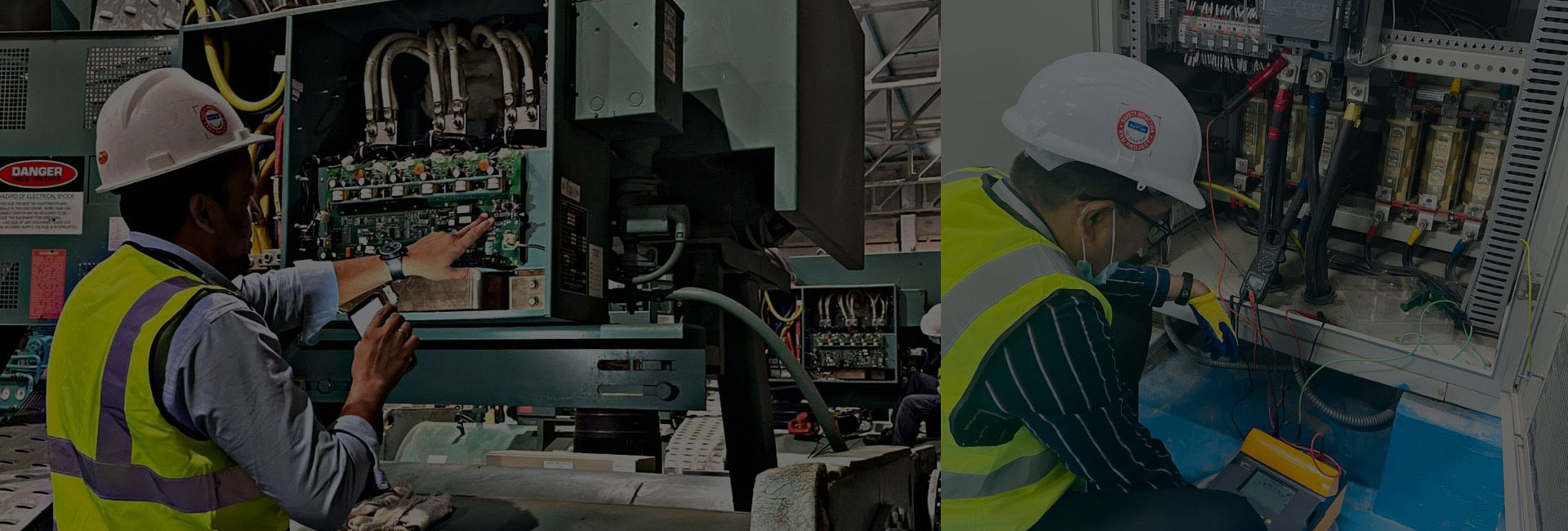
Eddy Current Testing (ECT) is a non-destructive testing method used to detect surface and near-surface defects in conductive materials. It works by passing an alternating current through a coil to generate a magnetic field, which induces circular electric currents—called eddy currents—in the material being tested. When there is a flaw such as a crack or corrosion, the flow of eddy currents is disrupted, causing a change in the coil’s response. This change is measured and analyzed to identify the presence and characteristics of the defect. ECT is widely used in industries like aerospace, power generation, and manufacturing due to its accuracy, speed, and ability to detect small surface flaws without damaging the material. However, it is limited to conductive materials and requires skilled interpretation for accurate results.